










Breed Differences – Gaining The Advantage
Click here to read the complete article
146 – April, 2026
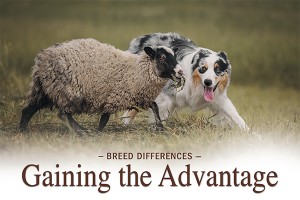 By Dr. Carmen L. Battaglia
When breeders gather to discuss important matters about dogs, you will most likely hear their opinions on reasons for owning their breed, why they love them, and some of the problems they have noticed. In other discussions with a different set of breeders, the focus will vary and depend on the breed’s function. For example, when a gathering involves those who breed dogs for the blind, those used to protect the country, and those who compete in AKC dog sports, their conversations center around breeding, training, and all the related problems. When you listen to those who purchase dogs for law enforcement, you will hear conversations about why they use certain breeds and why they have preferences.
Over the years, I have learned that after listening to these groups, reading the literature, and watching dogs in the field perform, you learn to appreciate how important the differences are and why they are needed. Researchers have studied these preferences and differences and confirmed that some breeds are more sociable, better problem solvers, and are easier to train than others. Digging further, I found that the answers about breed differences seem to be tucked away in knowing more about the important breeder skill called “Breed Knowledge”. It means knowing a breed’s origin and purpose and its dreaded diseases–which are those that can kill, cripple, cause early death, or blindness. A breed’s history also explains why breeders look for certain traits and characteristics, and why they avoid others when selecting breeding partners. For example, when an American Hairless Terrier stands next to a Newfoundland, the physical differences between the breeds are obvious.
Click here to read the complete article
146 – April, 2026

Short URL: https://caninechronicle.com/?p=354569
 Posted by AnthonyA
on Apr 13 2026. Filed under Current Articles, Featured.
You can follow any responses to this entry through the RSS 2.0.
Both comments and pings are currently closed.
Posted by AnthonyA
on Apr 13 2026. Filed under Current Articles, Featured.
You can follow any responses to this entry through the RSS 2.0.
Both comments and pings are currently closed.
Comments are closed