










What Affected Dogs Taught Us About Leptospirosis
From AKC Canine Health Foundation
A small dog walking through an urban neighborhood and a dog spending weekends in fields or forests may seem to have very different lifestyles. But both can be exposed to Leptospira, the bacteria that cause leptospirosis. Recognizing that risk is not limited to traditionally “outdoor” dogs has helped reshape how veterinarians think about prevention.
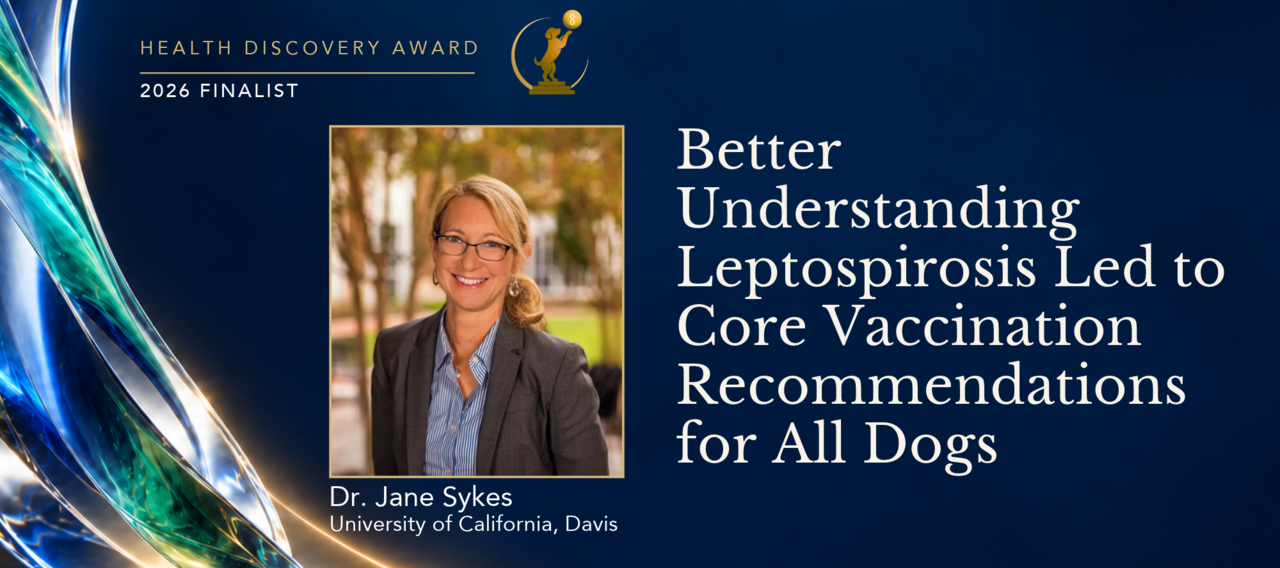
Research led by Dr. Jane Sykes of the University of California, Davis, and colleagues helped build the evidence behind that shift. The AKC Canine Health Foundation (CHF) is recognizing this contribution as a finalist for the 2026 Canine Health Discovery of the Year Award.
Learning From the Dogs Who Became Ill
Leptospirosis is a potentially serious bacterial disease that can cause acute kidney injury, liver disease, and other complications. Dogs may be exposed to Leptospira bacteria through water or soil contaminated with urine from infected animals.
By examining naturally occurring cases, the research team documented leptospirosis in dogs that did not fit the traditional picture for high risk, including small-breed dogs and dogs living in urban environments. The findings challenged the assumption that exposure was largely confined to dogs with rural, outdoor, or wildlife-associated lifestyles.
Instead, the evidence pointed to a broader conclusion: risk extends across breeds, sizes, and lifestyles.
Evidence That Changed Recommendations
This research became part of a growing body of evidence that changed the veterinary community’s understanding of leptospirosis risk. As that evidence accumulated, vaccination recommendations evolved as well. In 2024, both the American Animal Hospital Association (AAHA) and the World Small Animal Veterinary Association (WSAVA) updated vaccination guidance, with AAHA changing leptospirosis vaccination from non-core to core for all dogs.
Dr. Sykes emphasizes the importance of vaccination and the advancements that have made today’s vaccines safer and more effective:
“The best thing that you can do is to get your dog vaccinated for leptospirosis. We have really good vaccines. They’re given every year, and they’re a lot cleaner and safer than vaccines that used to be available more than 10 years ago.”
For dog owners, that shift makes prevention less about deciding whether a dog fits a particular “risk profile” and more about discussing appropriate vaccination with their veterinarian based on the dog’s individual health and medical history.
There is a broader public health benefit as well. Leptospirosis is zoonotic, meaning it can infect people. Preventing disease in dogs helps protect canine health while also reducing the potential for human exposure.
Why This Discovery Matters
Better prevention starts with understanding who is actually at risk. By studying dogs that developed leptospirosis, researchers helped reveal that exposure was broader than previously assumed and contributed evidence that ultimately informed veterinary prevention strategies.
The Discovery Award recognizes outstanding canine health research supported by many different funding sources. Through the award and its own research investments, CHF connects dog lovers with discoveries that change how we understand, prevent, diagnose, and treat disease in dogs.
Make a gift to support CHF’s investment in canine health research.
The winning discovery will be revealed at Canines & Cocktails on December 10, 2026.

Short URL: https://caninechronicle.com/?p=376533
 Posted by Liz
on Nov 22 2026. Filed under Current Articles, Featured.
You can follow any responses to this entry through the RSS 2.0.
Both comments and pings are currently closed.
Comments are closed