








Emerging Issue: New World Screwworm—Impacts on Health, Interstate Travel with Dogs
 Since the beginning of June 2026, cases of New World Screwworm (NWS, hereinafter screwworm) have been detected in southwest Texas and New Mexico. These are the first cases of NWS in the United States in 60 years. The United States Department of Agriculture (USDA) and state departments of agriculture and health officials are working together to address the issue.
The American Kennel Club (AKC) recommends that all dog owners, or anyone who works with dogs, learn about NWS and stay updated on developments. Additionally, anyone potentially engaging in interstate transportation with dogs—including owners, AKC event competitors, professional handlers, and interstate transporters, including those that are part of shelter and rescue operations—should become familiar with new health requirements imposed to help prevent further spread of the pest.
About New World Screwworm
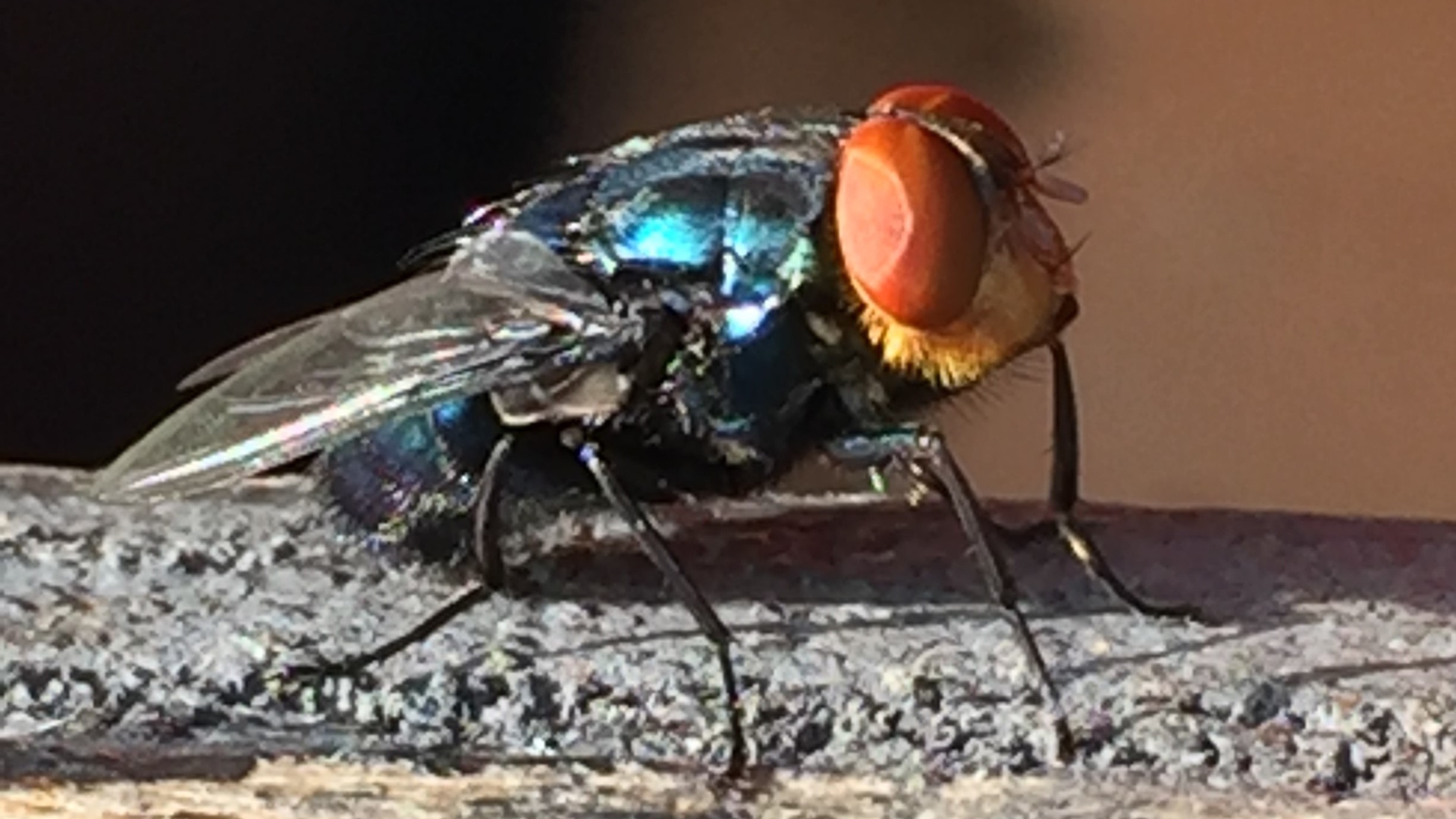
NWS is a parasitic fly whose larvae burrow into the living tissue of warm-blooded animals, typically through an open wound, causing painful wounds, serious infection, and sometimes death. It can affect livestock, wildlife, pets, and occasionally dogs, which may be at risk if they have open wounds or if they come into contact with infested animals or contaminated areas. People are also susceptible to NWS larvae.
Despite being eradicated from the U.S. in 1966, NWS remained prevalent in countries throughout the western hemisphere. Following an increase in the number of cases identified in Central America in 2023, NWS was identified in southern Mexico in 2024. When models predicted NWS would enter the U.S. in 2025, USDA invested heavily in tools to address NWS, including expediting the targeted and aerial release of sterile screwworm flies, increased trapping for screwworm files along the southern U.S. border and just outside of the area where sterile flies have been released, implementing NWS surveillance and management strategies in wildlife, and conducting outreach in local areas. Similar strategies were successfully used to eradicate screwworm from the U.S. in 1966 and to eliminate a small outbreak of screwworm in the Florida Keys in 2017. USDA also ensured that the National Veterinary Stockpile was supplied with treatments, equipment, and logistics to support the nation’s response to NWS.
Thankfully, screwworms do not infest meat, fruit, vegetables, or other food sources. USDA’s Food Safety and Inspection Service (FSIS) ensures that the nation’s commercial supply of meat, poultry, and egg products is safe and properly labeled. Under the Federal Meat Inspection Act (FMIA), FSIS inspection personnel must inspect all eligible animal species unless they are exempt or covered by a state inspection program.
2026 NWS Confirmed Cases
Click here to view Confirmed Detections of New World Screwworm (by USDA, updated in real time).
Federal and State Responses to NWS
Federal and state officials are responding to NWS by creating or maintaining 20-km infested zones around confirmed detections and imposing quarantines, movement controls, and heightened surveillance in those zones. Some states have created their own rules and restrictions for animals. These should be of particular importance to anyone who engages in interstate travel with dogs.
NEW WORLD SCREWWORM 2026—INTERSTATE ANIMAL MOVEMENT REQUIREMENTS
Compiled by AKC; updated daily, M-F, if needed. Last updated 6/10/26.
- ARKANSAS: (1) For animals originating from an NWS affected area, Arkansas now requires a state entry permit plus an Interstate Certificate of Veterinary Inspection (iCVI) issued within seven (7) days of entry. The iCVI must state that the animals were inspected and found free of screwworm infestation. (2) All warm-blooded animals from Texas must be accompanied by an CVI dated within seven (7) days of entry into Arkansas, which must include the following statement: “All animals were inspected and found free of evidence of NWS infestation.”
- LOUISIANA: (1) Any species traveling from an NWS-lnfested State, but not originating from or transiting through an NWS-lnfested Zone, may enter Louisiana with an Official Certificate of Veterinary Inspection (OCVI/CVI) that includes the statement: ”All animals in shipment do not originate from or transit through an NWS-lnfested Zone.” The OCVI/CVI shall not be valid for more than seven (7) days from the date of veterinary inspection. (2) Any species originating from or traveling through an NWS-lnfested Zone, may enter Louisiana only if the following requirements are met: Meet all movement requirements established by the state of origin; obtain a permit from the Louisiana Department of Agriculture and Forestry/Office of Animal Health and Food Safety; and be accompanied by an OCVI/CVI stating, “All animals listed were individually inspected and found free of evidence of NWS infestation.” The OCVI/CVI shall be valid for no more than seven (7) days from the date of veterinary inspection.
- MISSOURI: (1) Any domestic animal originating from a state with an infested zone, but not within an infested zone, can enter Missouri with a Certificate of Veterinary inspection (CVI) that includes the statement “All animals were inspected and found free of evidence of NWS infestation and have not originated from or transited through a NWS infested zone.” (2) Any domestic animal originating from within an infested zone must meet the movement requirements for the state of origin and obtain both an entry permit from the Missouri State Veterinarian’s office and a CVI that includes the statement, “All animals were inspected and found free of evidence of NWS infestation.”
- TEXAS: Quarantine and movement-control orders for warm-blooded animals in the infested zone have been issued. Animals generally may not move out of the zone without prior authorization and inspection.
Steps Dog Owners Can Take to Prevent New World Screwworm Infestation
According to USDA, dog owners should take the following steps to help prevent the spread of NWS:
- Watch for signs of NWS, including irritated behavior, head shaking, smell of decay, and presence of fly larvae (maggots) in wounds. Seek immediate veterinary intervention if you suspect your dog is experiencing an NWS infestation.
- Treat the umbilical cords of newborn animals, and all wounds immediately, with an approved insecticide.
- Protect dogs from other wound-causing parasites like ticks. Oral and topical flea and tick preventatives containing afoxolaner, lotilaner, or sarolaner actively prevent and treat NWS larval infestations in pets.
- Make sure pets traveling internationally are inspected for screwworm.
- In addition to state-level general interstate dog movement regulations, comply with federal and state animal movement restrictions created to prevent the spread of screwworm (above).
Future Updates on NWS
AKC will continue to provide updates on NWS cases and public health requirements as information is released. Bookmark this page for quick access to this information, which will be updated daily, Monday through Friday, if developments so warrant.
For more information, go to www.screwworm.gov; or email AKC Government Relations at doglaw@akc.org.
Short URL: https://caninechronicle.com/?p=361205
 Posted by Liz
on Jun 11 2026. Filed under Current Articles, Featured.
You can follow any responses to this entry through the RSS 2.0.
Both comments and pings are currently closed.
Posted by Liz
on Jun 11 2026. Filed under Current Articles, Featured.
You can follow any responses to this entry through the RSS 2.0.
Both comments and pings are currently closed.
Comments are closed