










How Do You Keep Dogs Safe During A Winter Storm? Animal Expert Shares 5 Critical Tips
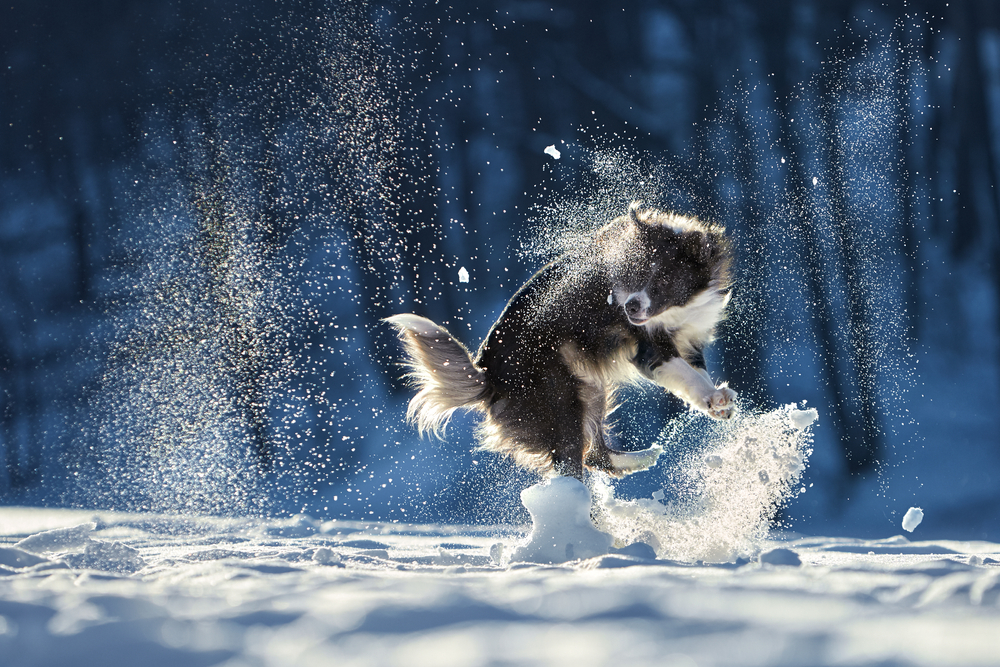 As a major winter storm is forecast to blanket large portions of the United States this weekend, it’s important to take precautions to protect their dogs from life-threatening cold-weather hazards.
While most people know not to leave dogs outdoors in the cold, Camp Bow Wow’s animal health and behavioral expert Erin Askeland, CPDT-KA, CBCC-KA, has identified 5 critical safety risks that spike during severe winter weather—and that most pet parents don’t know about.
“Many pet owners don’t realize that the biggest risks to their dogs during winter storms aren’t just the cold temperatures—it’s what’s hidden in the snow and ice,” said Camp Bow Wow’s animal health and behavioral expert Erin Askeland, CPDT-KA, CBCC-KA. “From toxic ice melt salts to disorientation that causes dogs to get lost, these issues can be prevented with the right knowledge.”
5 Critical Cold-Weather Safety Tips Every Dog Owner Must Know
1. Wipe Down Your Dog After Every Outdoor Trip
What to Know: When dogs lick their paws after walking on treated surfaces, they may ingest ice melt that is toxic and can cause severe illness or death.
What to Do: Thoroughly wipe down dogs’ paws, legs and belly when they come back inside after being in snow or going for a walk. Use a damp towel to remove all traces of ice melt chemicals before dogs have a chance to lick their paws.
2. Never Let Your Dog Off the Leash in Snow or Ice
What to Know: Extreme cold can interfere with how scents travel, which may make it harder for dogs to track smells. This makes scent-based navigation more challenging and may increase the risk of disorientation.
What to Do: Keep your dog on a leash at all times during winter weather, even in familiar areas.
3. Provide Fresh Water at All Times
What to Know: Dehydrated dogs are more likely to lick ice and eat snow, which can cause them to ingest toxic ice melt salts or antifreeze.
What to Do: Keep fresh, clean water available and accessible at all times. Check water bowls frequently to ensure they haven’t frozen if kept outdoors.
4. Never Leave Your Dog in the Car—Even with the Heater On
What to Know: Vehicles act like freezers in winter, trapping cold air inside. Dogs can freeze to death quickly, even with the heater running initially.
What to Do: Always bring your dog inside with you or leave them safely at home. There is no safe amount of time to leave a dog in a car during winter weather.
5. Keep Your Dog’s Fur Long During Winter
What to Know: A dog’s fur is their natural protective layer against cold temperatures. Shaving or cutting it too short removes this critical insulation.
What to Do: Never shave your dog’s fur during winter months. For dogs with naturally short hair, use a jacket or sweater to provide extra warmth during outdoor time. For dogs with longer hair, frequent grooming can help keep long coats healthy and easier to maintain during winter months.
What to Do If Severe Weather Prevents Outdoor Exercise
When winter storms make outdoor exercise dangerous or impossible, dogs still need physical and mental stimulation. Camp Bow Wow offers a safe, climate-controlled environment where dogs can exercise, socialize, and burn energy regardless of weather conditions.
Emergency Preparedness for Pet Owners
Before the winter storm arrives, pet owners should:
- Stock up on pet food, medications and supplies for at least one week
- Ensure dogs are wearing collars with up-to-date identification tags
- Microchip pets and update registry information
- Identify a safe, warm indoor space for pets during the storm
- Locate the nearest emergency veterinary clinic

Short URL: https://caninechronicle.com/?p=348584
 Posted by Liz
on Jan 25 2026. Filed under Current Articles, Featured.
You can follow any responses to this entry through the RSS 2.0.
Both comments and pings are currently closed.
Posted by Liz
on Jan 25 2026. Filed under Current Articles, Featured.
You can follow any responses to this entry through the RSS 2.0.
Both comments and pings are currently closed.
Comments are closed